Yes it’s all in your mind people. A witch is broadly defined as a practitioner of magic, sorcery, or nature-based religion. Over time, the word has evolved to encompass everything from medieval folklore villains and Neo-Pagan spiritual leaders to symbols of independence and charming individuals.
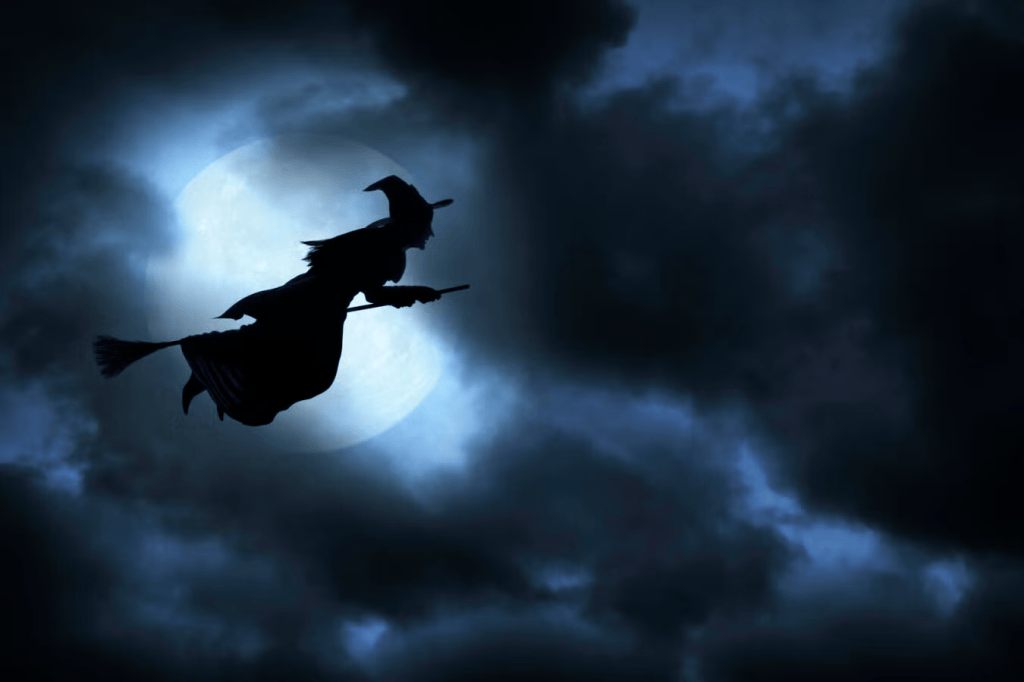
Early Beliefs: Often seen as local wise women, herbalists, or healers.
Witch Trials: Between the 15th and 17th centuries, thousands of people were accused and killed in Europe and the American colonies.
Modern Witchcraft: Today, many individuals identify as witches through peaceful modern neo-pagan religions like Wicca
The definition of a witch can be broken down into a few distinct contexts:
Historical and Mythological: In folklore and fairy tales, a witch is typically a woman believed to possess malevolent magical powers, often associated with a pointed hat and a familiar like a black cat. Historically, particularly during the 15th to 17th centuries, thousands of people (predominantly women) were persecuted during European and American witch-hunts under the belief that they made pacts with the Devil.
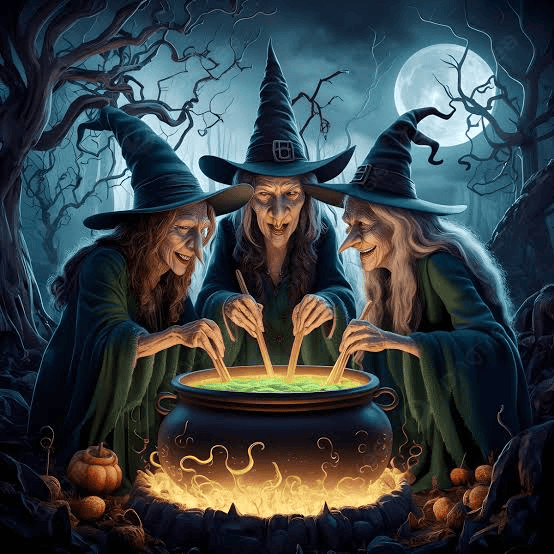
Green Witch: Focuses on nature, gardening, and herbalism, working closely with plants, flowers, and earth energy. There is no single official list of four types of witches. Modern, eclectic witchcraft recognizes dozens of distinct paths and specializations. However, four of the most common and widely discussed archetypes in modern folk practice include Green, Kitchen, Hedge, and Cosmic witches.
Kitchen Witch: Blends mundane daily chores with magic, focusing on the hearth, cooking, and home-based healing.
Hedge Witch: Acts as a traditional solitary healer, crossing the “hedge” or boundary between the physical world and the spirit realm.
Cosmic Witch: Looks to the stars, planets, moon phases, and astrology to guide rituals and harness celestial energy.
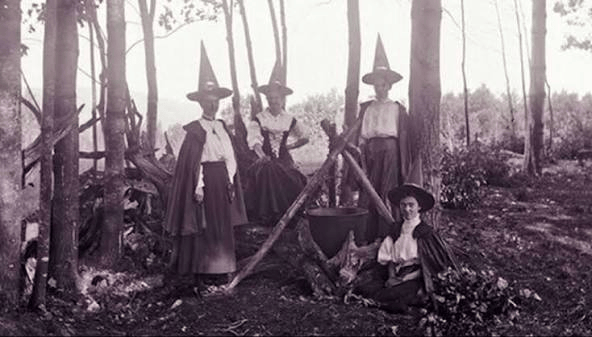
Modern Paganism: In contemporary contexts, a witch is a practitioner of Neo-Pagan religions, such as Wicca. Modern religious witches emphasize earth-based spirituality, communion with nature, and healing, and the term is used for adherents of all genders.
Figurative and Informal: The word can be used casually to describe an enchanting, alluring, or fascinating woman (from the idea of “bewitching” someone), or pejoratively to describe a mean or unpleasant person.
Sociological perspective: In modern cultural movements, such as discussions on Reddit, the definition of a witch is often re-appropriated to broadly describe a person who lives outside the dominant culture, emphasizing independence, autonomy, and finding the magical or extraordinary in the mundane.
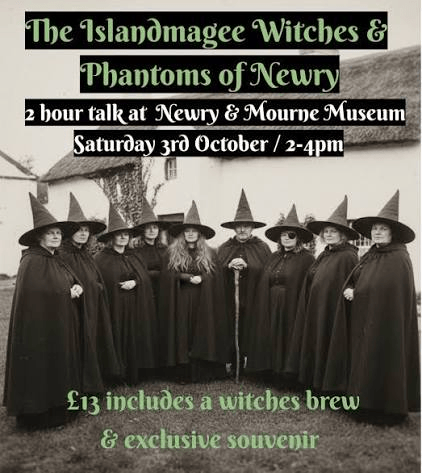
The fact that people really think this is a thing says a lot about the influence some sects of our culture that have an affinity for trying to gain power through the system of influence! The more you allow a person or group of people to have influence over you the more you are susceptible to being controlled by these groups.
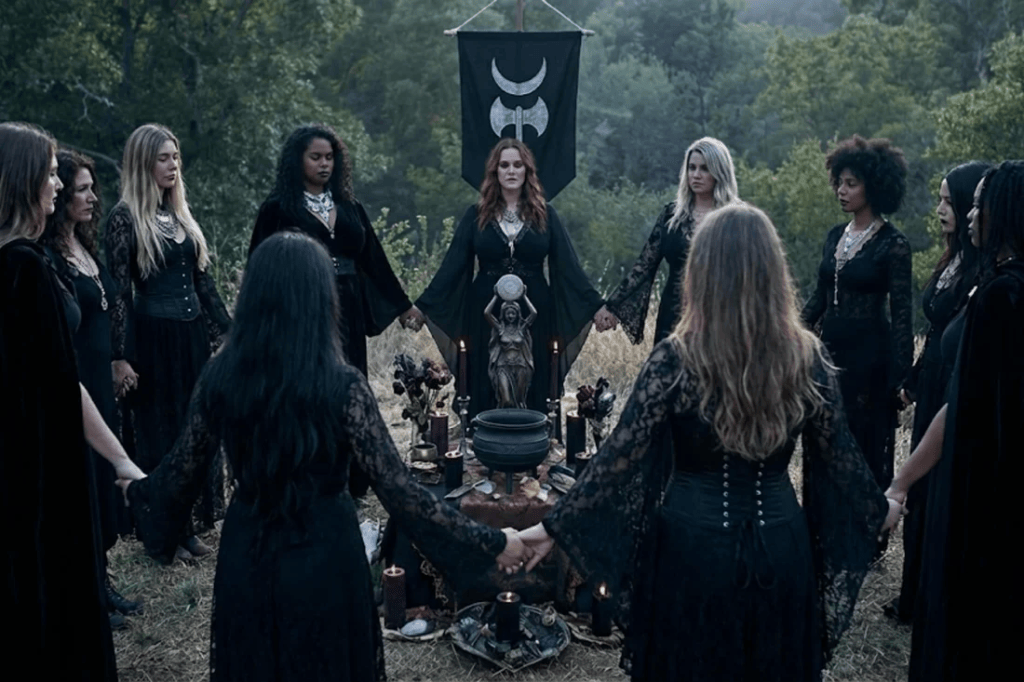
The thought of something having power over you is threatening and alluring to some people, we are NOT all equal when it comes to thinking for ourselves and some of us need others to help us think, this is where religion and witchcraft etc has its place in our culture. If you allow someone to influence you,you put yourself at their psychological mercy.SG64


Leave a comment