
When the Civil War ended, leaders turned to the question of how to reconstruct the nation. One important issue was the right to vote, and the rights of black American men and former Confederate men to vote were hotly debated.
In the latter half of the 1860s, Congress passed a series of acts designed to address the question of rights, as well as how the Southern states would be governed. These acts included the act creating the Freedmen’s Bureau, the Civil Rights Act of 1866, and several Reconstruction Acts. The Reconstruction Acts established military rule over Southern states until new governments could be formed.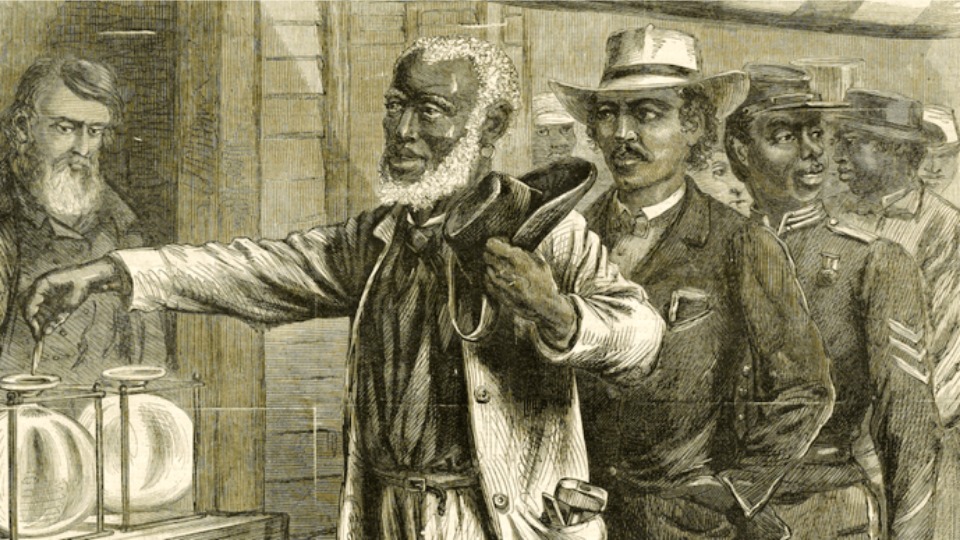
They also limited some former Confederate officials’ and military officers’ rights to vote and to run for public office. (However, the latter provisions were only temporary and soon rescinded for almost all of those affected by them.) Meanwhile, the Reconstruction acts gave former male slaves the right to vote and hold public office.
The Reconstruction era was a period in United States history following the American Civil War, dominated by the legal, social, and political challenges of abolishing slavery and reintegrating the former Confederate States of America into the United States. During this period, three amendments were added to the United States Constitution to grant equal civil rights to the newly freed slaves. Despite this, former Confederate states often used poll taxes, literacy tests, and intimidation to control people of color.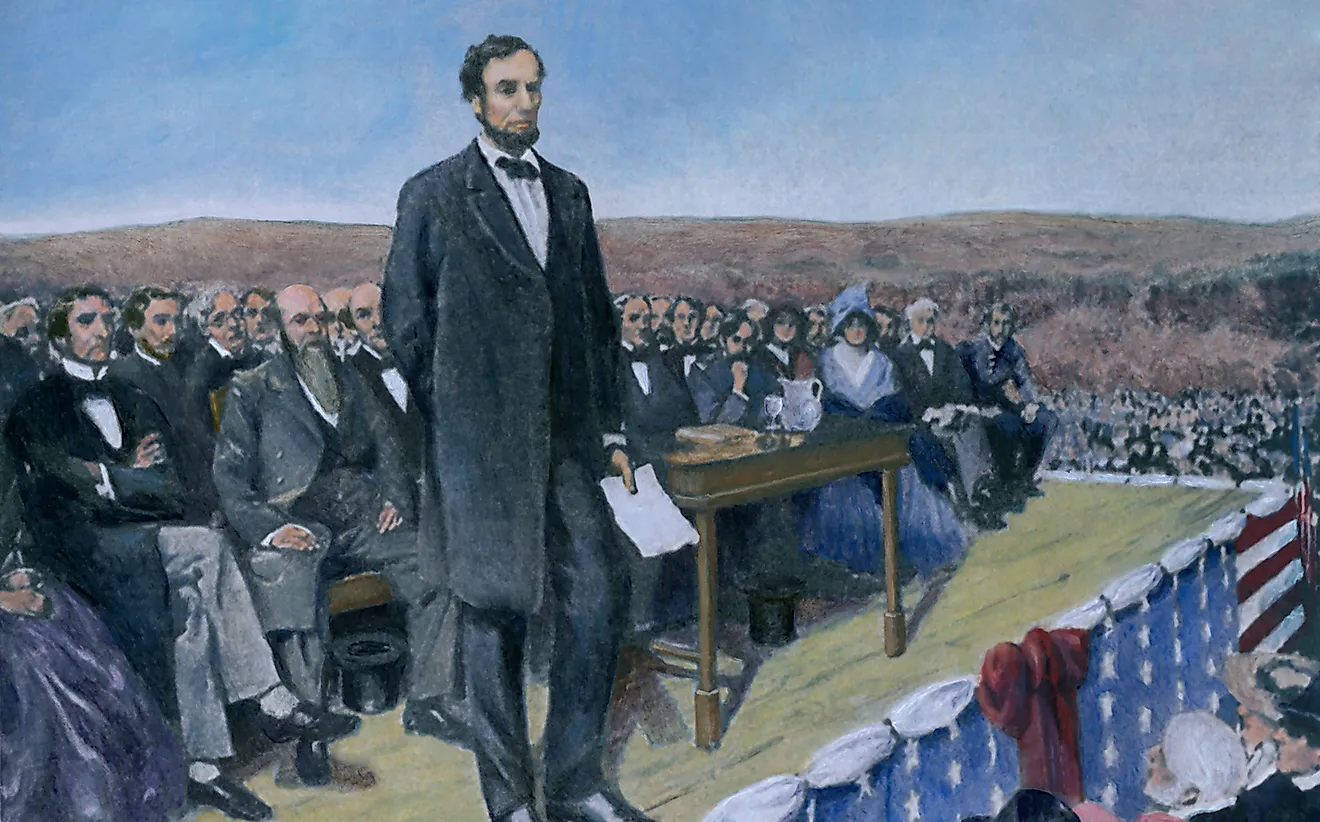
Starting with the outbreak of war, the Union was confronted with how to administer captured territories and handle the steady stream of slaves escaping to Union lines. In many cases, the United States Army played a vital role in establishing a free labor economy in the South, protecting freedmen’s legal rights, and creating educational and religious institutions.
Despite reluctance to interfere with the institution of slavery, Congress passed the Confiscation Acts to seize Confederates’ slaves, providing the legal basis for President Abraham Lincoln to issue the Emancipation Proclamation. Congress later established a Freedmen’s Bureau to provide much-needed food and shelter to the newly freed slaves.
As it became clear that the war would end in a Union victory, Congress debated the process for the readmission of seceded states. Radical and moderate Republicans disagreed over the nature of secession, the conditions for readmission, and the desirability of social reforms as a consequence of the Confederate defeat. Lincoln favored the “ten percent plan” and vetoed the radical Wade–Davis Bill, which proposed harsh conditions for readmission.
Lincoln was assassinated on April 14, 1865, just as fighting was drawing to a close. He was replaced by President Andrew Johnson. Johnson vetoed numerous radical bills, pardoned thousands of Confederate leaders, and allowed Southern states to pass draconian Black Codes that greatly restricted the rights of freedmen. This outraged many Northerners and stoked fears that the South elite would regain its political power. Radical Republican candidates swept the 1866 midterm elections and achieved large majorities in both houses of Congress.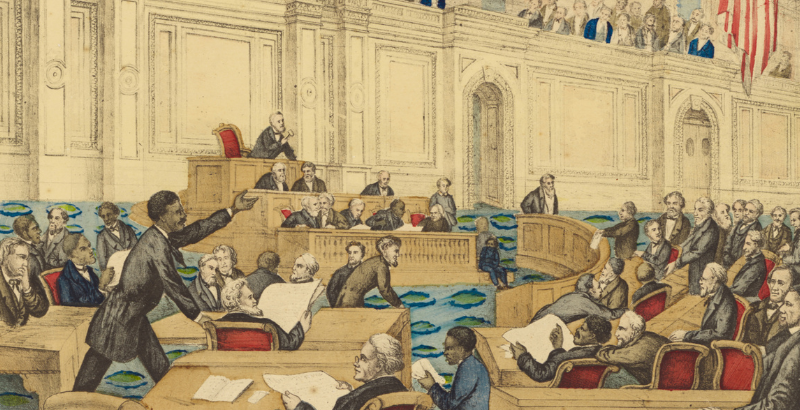
The radical Republicans then took the initiative by passing the Reconstruction Acts in 1867 over Johnson’s vetoes, setting out the terms by which they could be readmitted to the Union. Constitutional conventions held throughout the South gave Black men the right to vote. New state governments were established by a coalition of freedmen, supportive white Southerners, and Northern transplants.
They were opposed by “Redeemers,” who sought to reestablish white supremacy and Democratic Party control in Southern government and society. Violent groups, including the Ku Klux Klan, the White League, and Red Shirts, engaged in paramilitary insurgency and terrorism to disrupt the Reconstruction governments and terrorize Republicans.
Congressional anger at President Johnson’s repeated attempts to veto radical legislation led to his impeachment, although he was not removed from office.
Under Johnson’s successor, President Ulysses S. Grant, radicals passed additional legislation to enforce civil rights, such as the Ku Klux Klan Act and the Civil Rights Act of 1875. However, continued resistance from Southern Whites and the cost of Reconstruction rapidly lost support in the North during the Grant administration.
The 1876 presidential election was marked by widespread Black voter suppression in the South, and the result was close and contested. An Electoral Commission resulted in the Compromise of 1877, which awarded the election to Republican Rutherford B. Hayes on the understanding that Federal troops would be withdrawn from the South, effectively bringing Reconstruction to an end. Post-Civil War efforts to enforce federal civil rights protections in the South ended in 1890 with the failure of the Lodge Bill.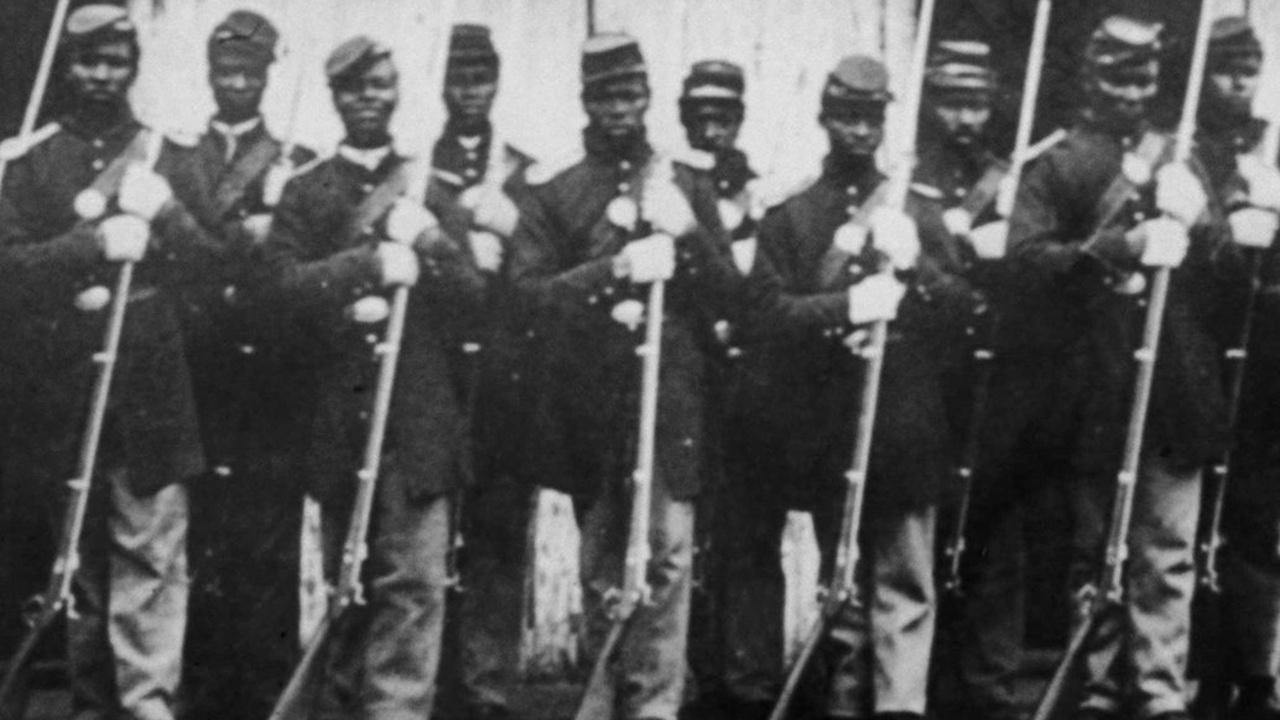
Historians continue to debate the legacy of Reconstruction. Criticism focuses on the early failure to prevent violence and problems of corruption, starvation, and disease. Union policy is criticized as too brutal toward freed slaves and too lenient toward former slaveholders.
However, Reconstruction is credited with restoring the federal Union, limiting reprisals against the South, and establishing a legal framework for racial equality via the constitutional rights to national birthright citizenship, due process, equal:max_bytes(150000):strip_icc()/GettyImages-513540823-84ed56c00cd0457a8906d0cc45069c0a.jpg) protection of the laws, and male suffrage regardless of race.
protection of the laws, and male suffrage regardless of race.
After all that was done to “Help us” it only served to hurt us in many ways. The dominate race at the time used those rules and regulations to their advantage, undermined those same rules and the majority of the time ignored them all together. Jim Crow and the policies that followed served to deter us from thinking we could advance beyond our situation and punished us for acting on our newly granted rights.
I also think that because of this the push for civil rights was born and the realization that Black people were not gonna quit fighting for rights! There was a plan by the dominant race to infiltrate, undermined and take over the minds of American black people by using the very thing that (we thought) was supposed to help and assist us in our struggle for independence and equal rights, this was evident in everything we did to help ourselves while being told to ” Pull yourselves up by your bootstraps” why do you keep say this and cutting our boot straps behind our backs?!?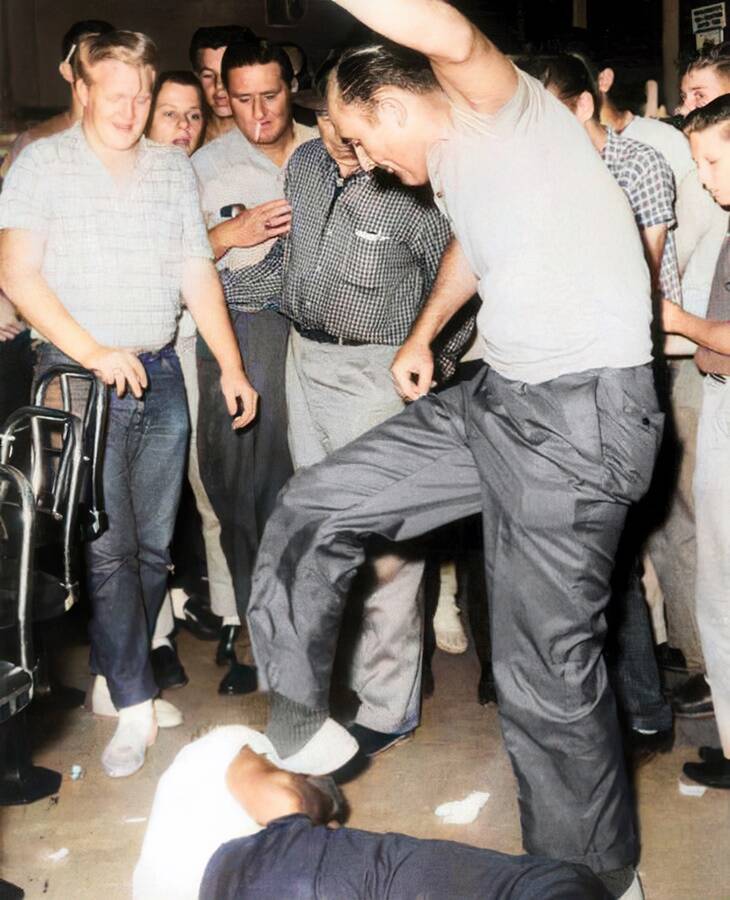
They continued to undermine our efforts and make us think we accomplished something while losing the accomplishments over a period of decades till this point. They have employed their kids to continue the chipping away of the rights that the American Black have gained. The evidence is undeniable and is a reminder of what we have been dealing with for 150+ years. SG64

 Greatest story never told!
Leave a comment