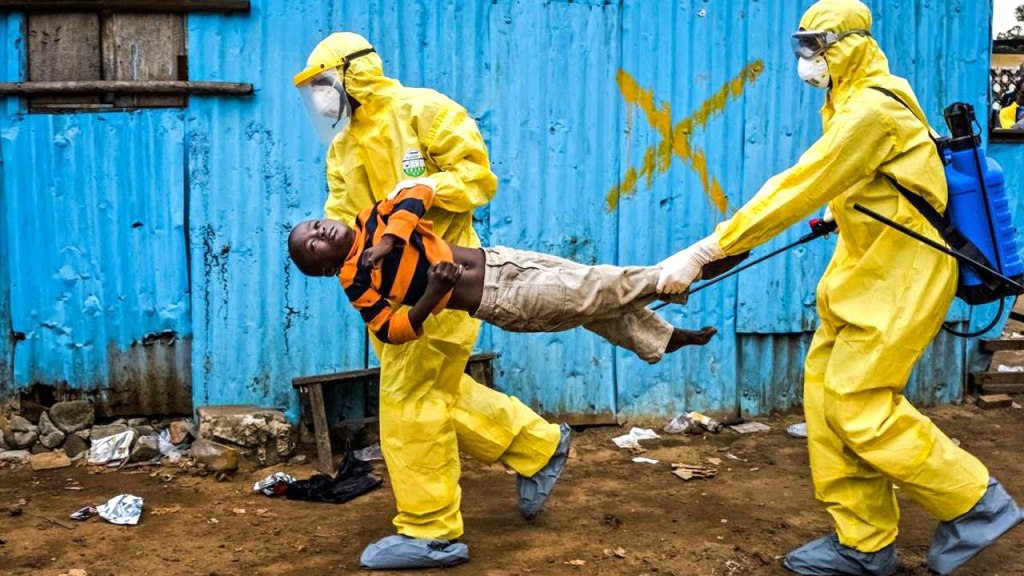
Mysterious Disease X Kills Scores In Democratic Republic Of The Congo
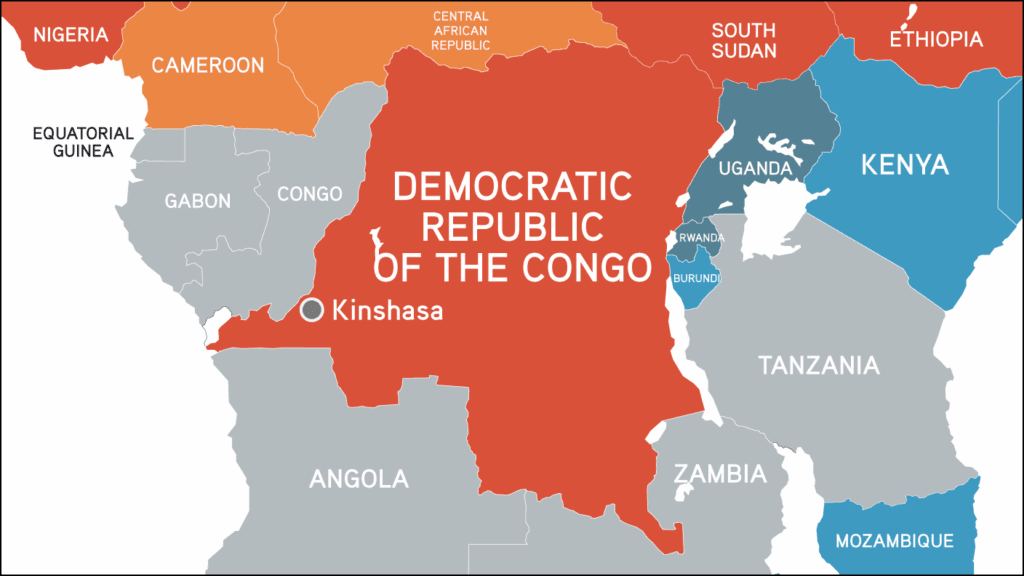
The DRC is located in central sub-Saharan Africa, bordered to the northwest by the Republic of the Congo, to the north by the Central African Republic, to the northeast by South Sudan, to the east by Uganda, Rwanda and Burundi, and by Tanzania (across Lake Tanganyika), to the south and southeast by Zambia, to the southwest by Angola, and to the west by the South Atlantic Ocean and the Cabinda Province exclave of Angola. The country lies between latitudes 6°N and 14°S, and longitudes 12°E and 32°E. It straddles the Equator, with one-third to the north and two-thirds to the south. With an area of 2,345,408 square kilometres (905,567 sq mi), it is the second-largest country in Africa by area, after Algeria.
As a result of its equatorial location, the DRC experiences high precipitation and has the highest frequency of thunderstorms in the world. The annual rainfall can total upwards of 2,000 millimetres (80 in) in some places, and the area sustains the Congo rainforest, the second-largest rainforest in the world after the Amazon rainforest. This massive expanse of lush jungle covers most of the vast, low-lying central basin of the river, which slopes toward the Atlantic Ocean in the west. This area is surrounded by plateaus merging into savannas in the south and southwest, by mountainous terraces in the west, and dense grasslands extending beyond the Congo River in the north. The glaciated Rwenzori Mountains are found in the extreme eastern region.
Ituri Rainforest
The tropical climate produced the Congo River system which dominates the region topographically along with the rainforest it flows through. The Congo Basin occupies nearly the entire country and an area of nearly 1,000,000 km2 (390,000 sq mi). The river and its tributaries form the backbone of Congolese economics and transportation. Major tributaries include the Kasai, Sangha, Ubangi, Ruzizi, Aruwimi, and Lulonga.
Satellite image of Democratic Republic of the Congo
The Congo River has the second-largest flow and the second-largest watershed of any river in the world (trailing the Amazon in both respects). The sources of the Congo River are in the Albertine Rift Mountains that flank the western branch of the East African Rift, as well as Lake Tanganyika and Lake Mweru. The river flows generally west from Kisangani just below Boyoma Falls, then gradually bends southwest, passing by Mbandaka, joining with the Ubangi River, and running into the Pool Malebo (Stanley Pool). Kinshasa and Brazzaville are on opposite sides of the river at the Pool. Then the river narrows and falls through a number of cataracts in deep canyons, collectively known as the Livingstone Falls, and runs past Boma into the Atlantic Ocean. The river and a 37-kilometre-wide (23 mi) strip of coastline on its north bank provide the country’s only outlet to the Atlantic.
Lake Kivu in North Kivu province
The Albertine Rift plays a key role in shaping the Congo’s geography. Not only is the northeastern section of the country much more mountainous, but tectonic movement results in volcanic activity, occasionally with loss of life. The geologic activity in this area also created the African Great Lakes, four of which lie on the Congo’s eastern frontier: Lake Albert, Lake Kivu, Lake Edward, and Lake Tanganyika.
The rift valley has exposed an enormous amount of mineral wealth throughout the south and east of the Congo, making it accessible to mining. Cobalt, copper, cadmium, industrial and gem-quality diamonds, gold, silver, zinc, manganese, tin, germanium, uranium, radium, bauxite, iron ore, and coal are all found in plentiful supply, especially in the Congo’s southeastern Katanga region.
On 17 January 2002, Mount Nyiragongo erupted, with three streams of extremely fluid lava running out at 64 km/h (40 mph) and 46 m (50 yd) wide. One of the three streams flowed directly through Goma, killing 45 people and leaving 120,000 homeless. Over 400,000 people were evacuated from the city during the eruption. The lava flowed into and poisoned the water of Lake Kivu killing its plants, animals and fish. Only two planes left the local airport because of the possibility of the explosion of stored petrol. The lava flowed through and past the airport, destroying a runway and trapping several parked airplanes. Six months after the event, nearby Mount Nyamuragira also erupted. The mountain subsequently erupted again in 2006, and once again in January 2010.
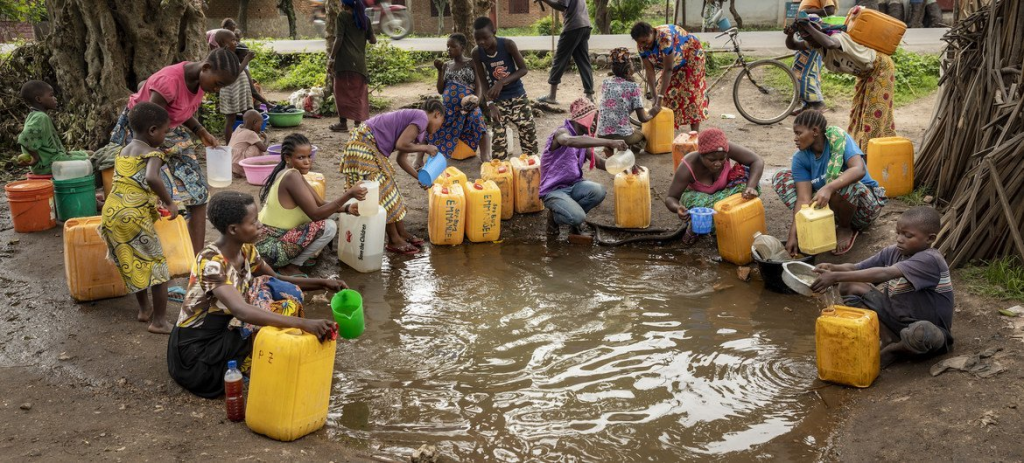
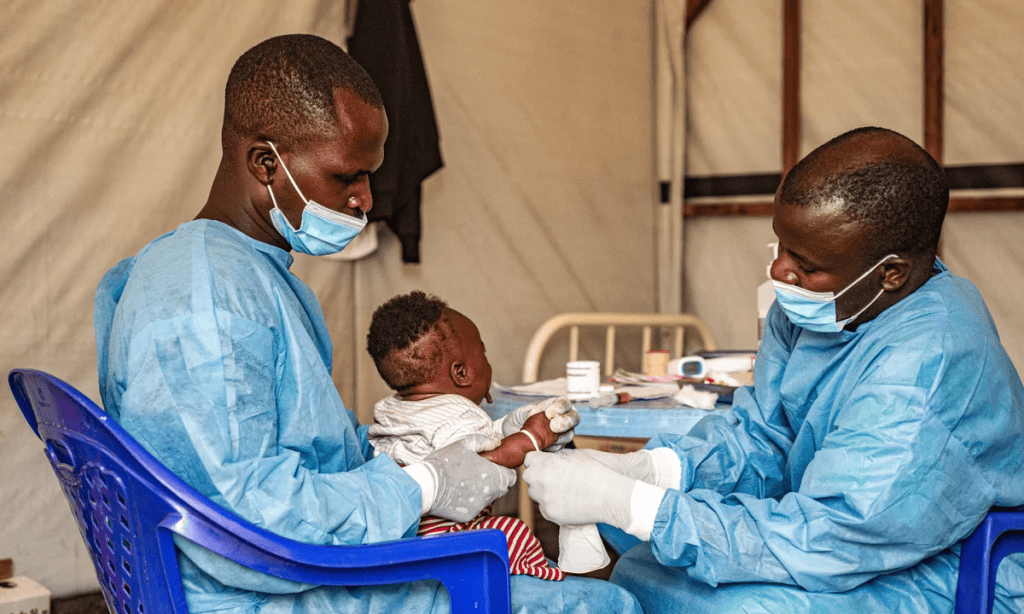
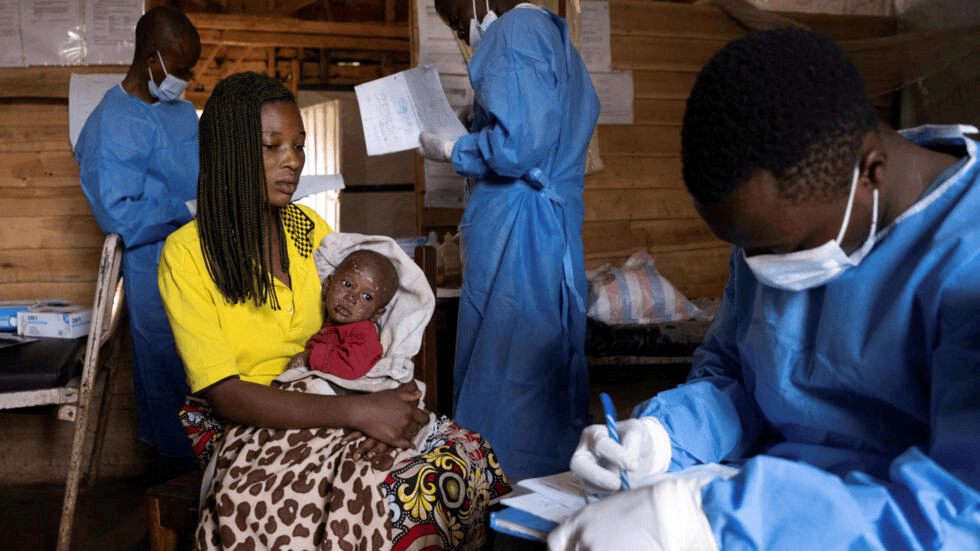
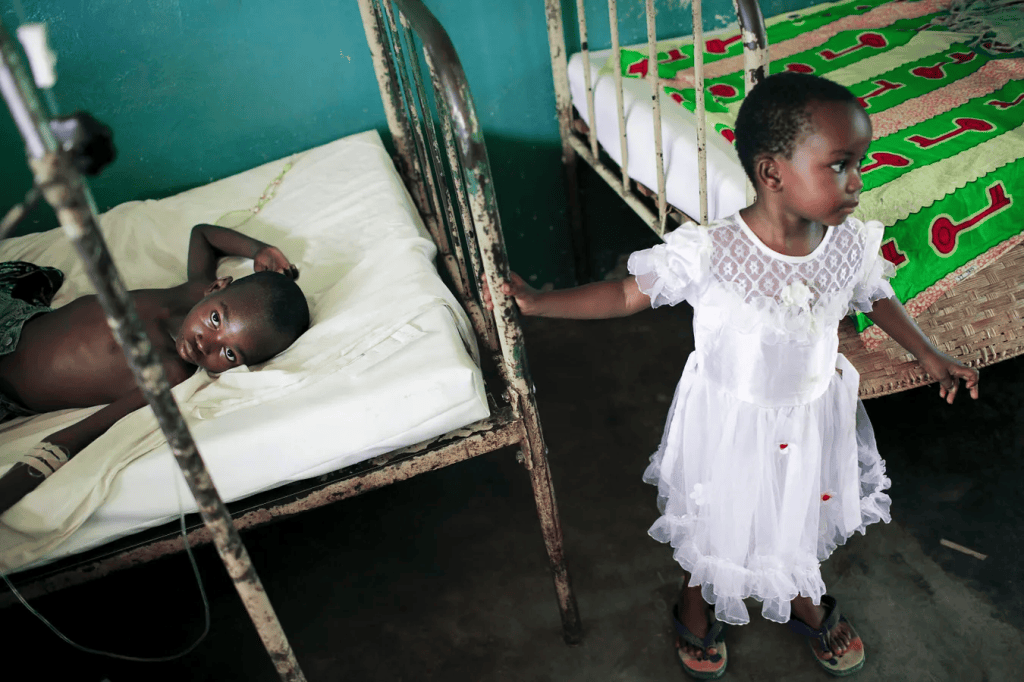
Researchers throughout the world have expressed concern about a mysterious disease that has killed scores of people in the Democratic Republic of the Congo. The disease, currently referred to as Disease X by the African Centers for Disease Control and Prevention, appears to be limited to the Kwango Province, a remote area in the southwest of the DRC. But broader spread certainly is possible.
The exact magnitude of the outbreak is unclear. Some reports indicate that 79 people have died. Reuters has reported that 143 people have died. The first case apparently occurred in late October. The timeline of the other cases has not been clearly reported.
Multiple reports indicate that people with the disease are presenting with flu-like symptoms, including headaches, fevers, and breathing difficulties. That constellation of symptoms would be consistent with a respiratory virus. But the causative agent has not been determined. Experts from the WHO have been deployed to the DRC to aid in their investigation. Samples from people with the disease are being analyzed and that information may be available soon. Basic laboratory tests should allow scientists to determine if Disease X has a viral etiology and perhaps aid in the identification of the virus.
Until more data become available, it’s hard to speculate about the cause of this mysterious outbreak. It could be caused by a variant of an existing virus, like influenza or SARS-CoV-2. It could be the result of a newly emerging virus. It could have a non-communicable cause.
It is also hard to speculate about the broader threat. Certainly, a highly virulent respiratory virus could have a major global impact. We’ve that scenario play out with Covid-19. But at the present time, too little is known about the current outbreak. The western countries do this like every year to keep the people under duress and ravage the countries of it’s main resources,it’s the same thing they have been doing since the 1600’s. This is how France became a super power and europe has survived on the backs of my people for far too long! They create conflict between rival tribes that excalate into all out war with the help of Arab countries who also benefit from those same resources as do Europe.
The Democratic Republic of the Congo also continues to confront other infectious disease outbreaks. In August, the WHO Director-General declared that mpox (formerly known as monkeypox) in the region constituted a public health emergency of international concern. Over 47,000 cases of mpox and 1,000 deaths have occurred in the country since January 1, 2024, according to the CDC. In 2018, 2,287 deaths due to Ebola were reported. And over half a million people in the DRC are living with HIV, according to data compiled by UNAIDS.
More information about the cause of Disease X, its severity, and potential treatment and prevention strategies should be available soon. Until then, healthcare providers, researchers, and public health officials remain vigilant.This is the same ole play from the same ole colonizer’s book.If there’s precious metals the colonizer needs or wants he does this to the African country’s he choses. There will be a more deadlier one coming to an African country near you. SG64


Leave a Reply