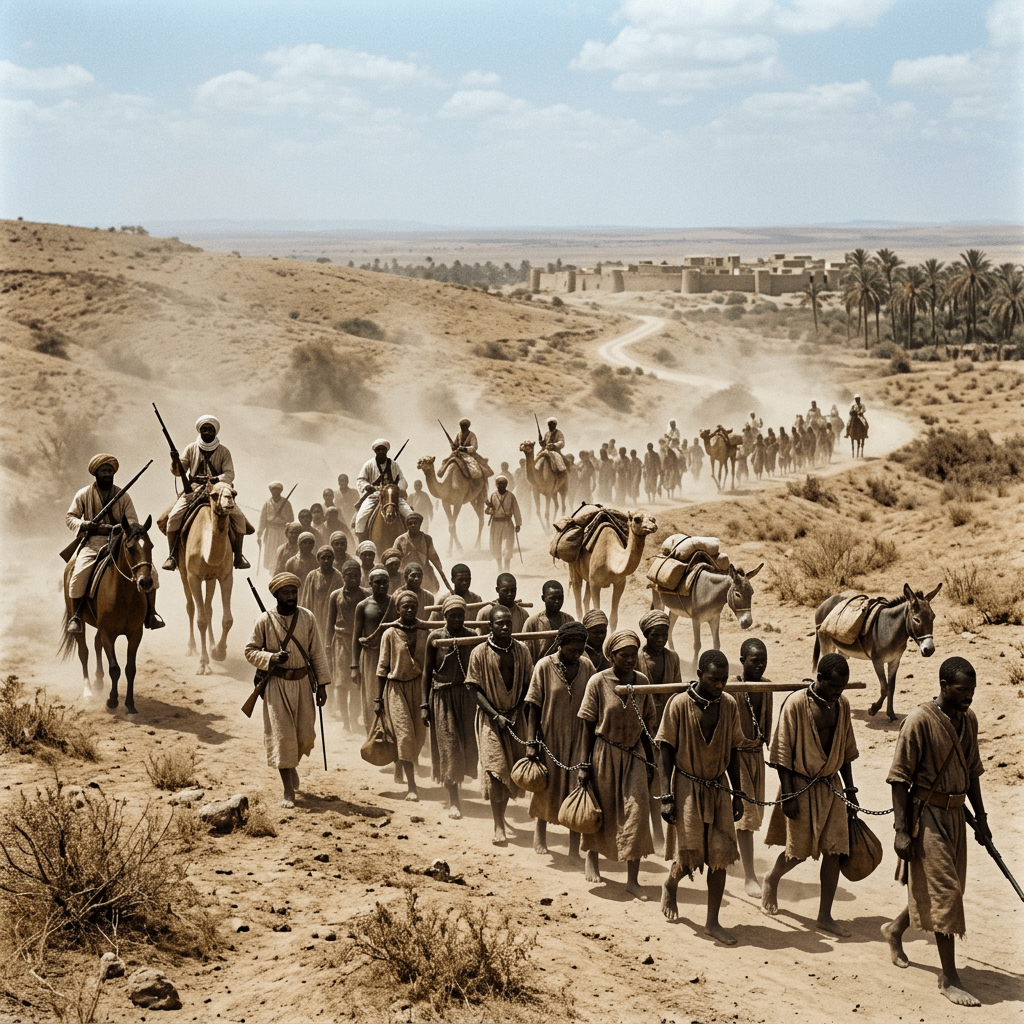
Over the years, global attention and discussions on slavery have primarily focused on the Trans-Atlantic slave trade, dominated by American and European merchants. However, another equally significant trade has been largely overlooked and, in some cases, treated as a taboo subject, despite its profound impact on Africa, its people and their way of life across generations.
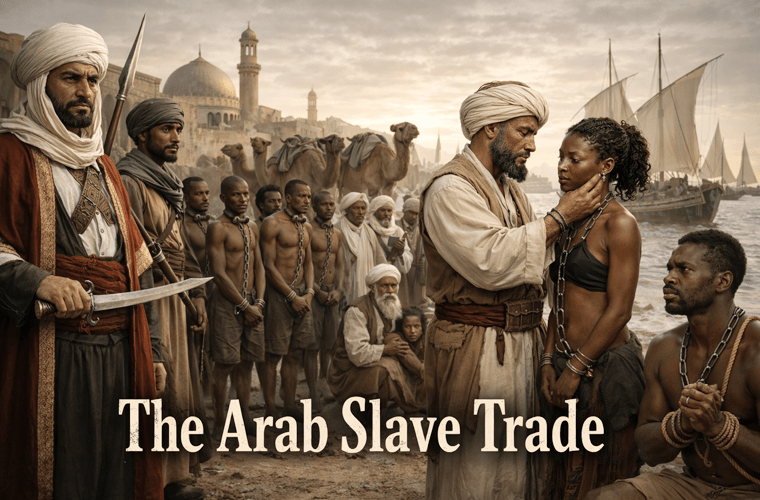
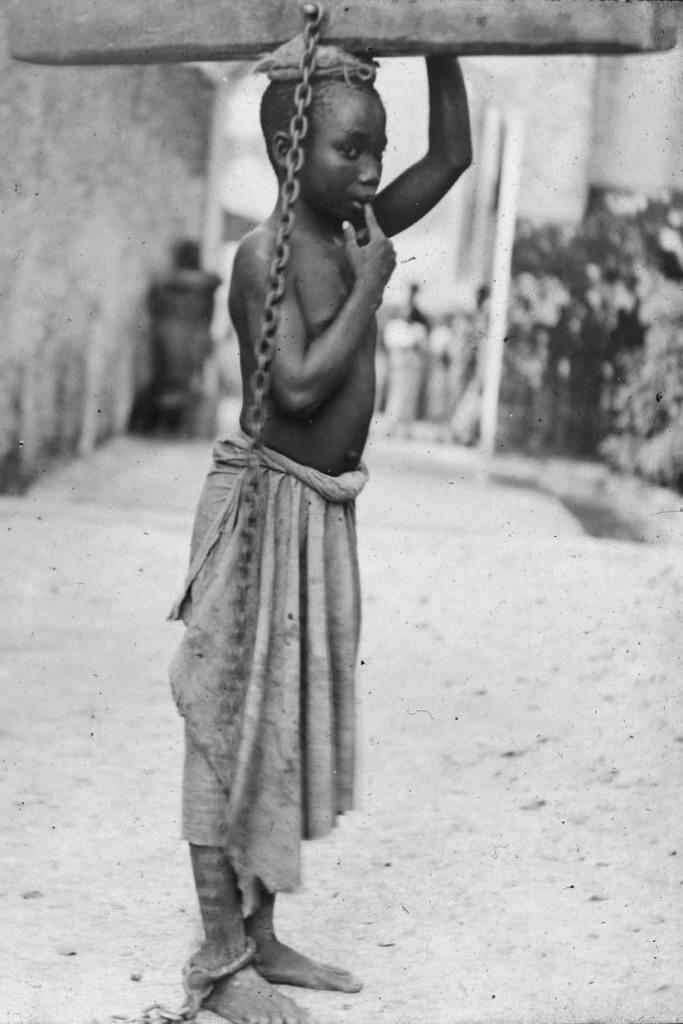
The Arab Muslim slave trade, also known as the Trans-Saharan or Eastern slave trade, is recognised as the longest in history, spanning over 1,300 years. It forcibly removed millions of Africans from their homeland, subjecting them to brutal conditions while they laboured in foreign lands.
Scholars have referred to it as a “veiled genocide,” a term reflecting the extreme humiliation and near-death experiences endured by the enslaved, from their capture in slave markets to their forced labour abroad and the harrowing journeys in between.
While the exact number of Africans captured in the Trans-Saharan slave trade remains disputed, most scholars estimate the figure to be around nine million.
Who was behind the Trans-Saharan slave trade?
The Eastern slave trade in Africa was primarily concentrated in the East and West African regions. In East Africa, the coastal region was the main route, with Tanzania’s Zanzibar archipelago becoming a central hub for this trade.
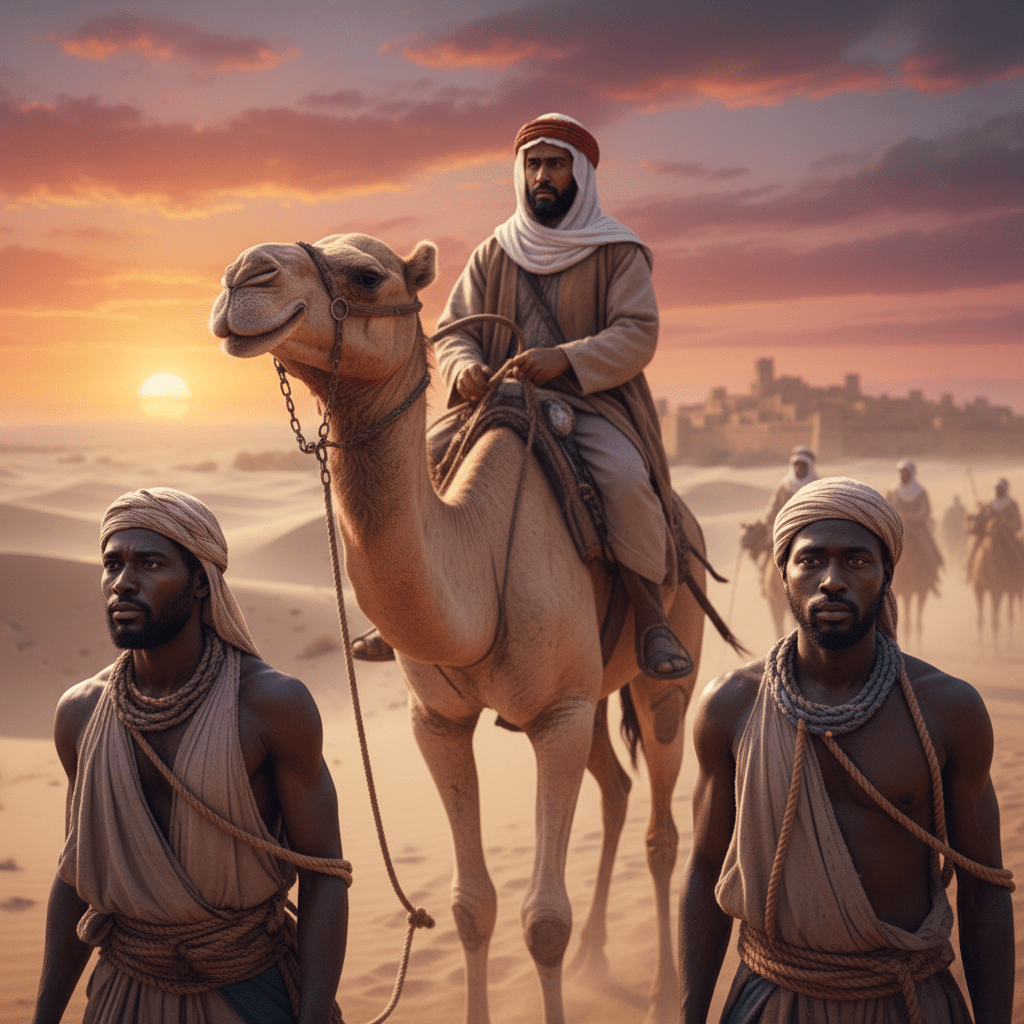
“The Arabs raided sub-Saharan Africa for thirteen centuries without interruption,” reads a loosely translated excerpt from The Veiled Genocide, a book by Tidiane N’Diaye, a Franco-Senegalese author and anthropologist. “Most of the millions of men they deported have disappeared as a result of inhumane treatment. This painful page in the history of black people has apparently not been completely turned.”
Coast of ZanzibarIn East Africa, the coastal region served as the primary route for the slave trade, with Zanzibar functioning as its central hub.
Enterprising Arab merchants and middlemen would gather in Zanzibar to acquire raw materials such as cloves and ivory. They would then purchase enslaved Africans, who were forced to carry these goods and labour on plantations abroad. Slaves from as far as Sudan, Ethiopia and Somalia were brought to the Zanzibar market and shipped across the Indian Ocean to the Persian Gulf and Arabian Peninsula, where they
were forced to work in places like Oman, Iran, Saudi Arabia and Iraq.
Notably, African Muslims were exempt from enslavement due to Islamic legal views.
The Trans-Saharan Caravan focused on the West African region, stretching from the Niger Valley to the Gulf of Guinea, following the Trans-Saharan routes to slave markets in the Maghreb and Nile Basin. The journey, which could last up to three months, subjected slaves to brutal conditions, with many succumbing to disease, hunger and thirst along the way.
It is estimated that 50 per cent of the enslaved individuals in this trade died during transit.
Sex slavery and the origins of black arabs
While European merchants primarily sought strong young men to work as labourers on their plantations, Arab merchants focused on concubinage, capturing women and girls to serve as sex slaves in harems. In fact, the demand for female slaves was so high that merchants would often double their price, with the ratio of captured women to men being three to one.
Male slaves were often assigned to work as field labourers or guards at harems. To prevent them from reproducing in case they became intimate with female slaves, men and boys were subjected to castration, a brutal procedure that resulted in the deaths of many during the process.
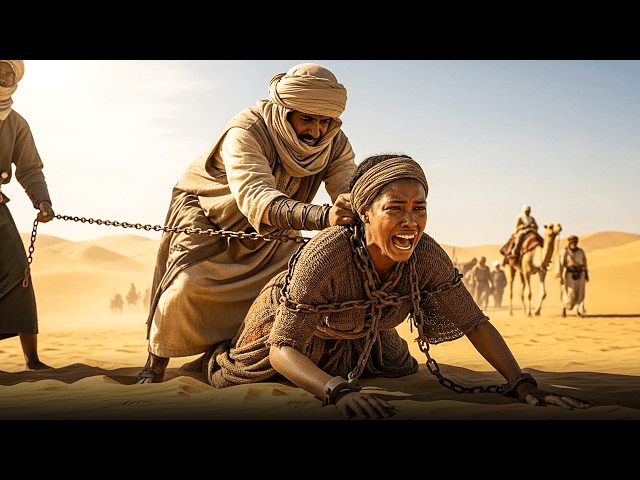
“The castration of black male slaves in the most inhumane manner altered an entire generation, as these men could not reproduce,” said Liberty Mukomo, a lecturer at the University of Nairobi Institute of Diplomacy and International Studies.
“The Arab masters sired children with the black female slaves. This devastation by the men saw those who survived committing suicide. This development explains the modern black Arabs who are still trapped by history.”
What made the Arab slave trade particularly brutal and painful, he pointed out, was the degree and intensity with which it disrupted the entire social, reproductive and economic lives of Black people, leaving a deep and lasting impact on their communities.
Lingering Legacy of Slavery in Arab Countries
While Europe, a major player in the African slave trade, abolished the practice centuries ago and the United States officially ended it in 1865, many Arab countries continued the trade well into the 20th century.
It ultimately took significant international pressure, disruption of trade, and revolts by enslaved people to bring an end to the practice, Mukomo said.
In Malawi, slavery was officially criminalised as recently as 2007, with reports suggesting that some Arab countries may still be involved in the practice, albeit clandestinely.
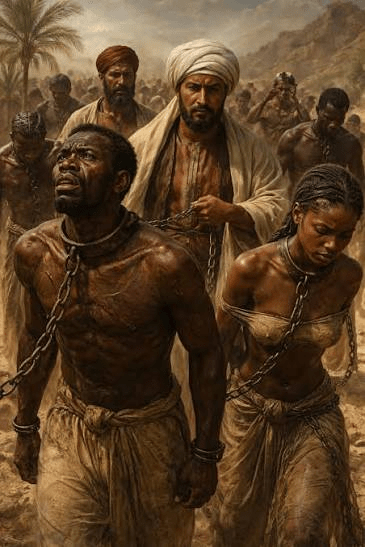
More than 400 years since over 12 million men and women were forcibly removed from their native land in Africa along treacherous routes and delivered as slaves in Americas and Europe, the impact of that historic forced migration continues to shape the continent and redefine the socio cultural, economic and political development of the African people.
Researchers posit that slave raiding in Africa which ultimately weakened the social and fabric of the continent giving rise to colonialism altered not just Africa but the new world order and how the world relate to each other to date.
Man looking in distance.
Robbing African countries off the much needed labour force not only affected the economic activities then, but has been attributed to the poverty experienced in the continent over the years.
“Although research understanding the long-term impacts of Africa’s slave trades is still in progress, the evidence accumulated up to this point suggests that this historic event played an important part in the shaping of the continent, in terms of not only economic outcomes, but cultural and social outcomes as well. The evidence suggests that it has affected a wide range of important outcomes, including economic prosperity, ethnic diversity, institutional quality, the prevalence of conflict, the prevalence of HIV, trust levels, female labour force participation rates, and the practice of polygyny. Thus, the slave trades appear to have played an important role in shaping the fabric of African society today, wrote Nathan Nunn a Frederic E. Abbe, Professor of Economics at Harvard University in the book The Long Economic and Political Shadow of History Volume II. Africa and Asia.
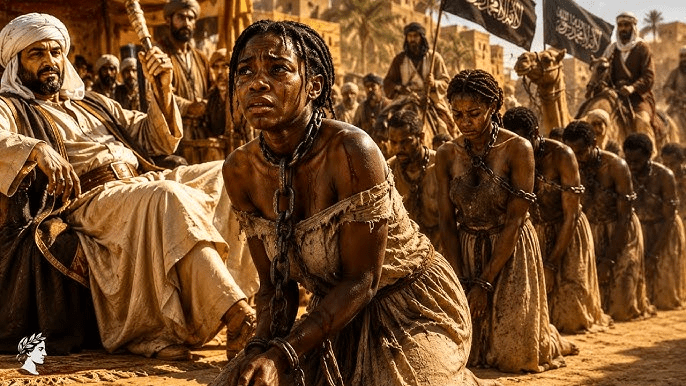
Robbing African countries off the much needed labour force by taking men and women at their prime and productive age not only affected the economic activities then, but has been attributed to the poverty experienced in the continent over the years. Researchers like Nunn have pointed to the correlation between countries where majority of slaves were taken and rising poverty over the years.
They indicate that if slavery never took place, the 72 percent gap in average income between Africa and the rest of the world would not be experienced today. If anything, they argue, Africa would be at par in development with Asia or Latin America.
“Human capital from post slave trade was one of the most valued assets across African societies. Slaves were captured to go work in plantations in Americas and Europe at the height of the agricultural revolution. Now you can imagine the difference this would have made to the economic development of the continent if these strong and energetic labour force was allowed to develop their own farmlands and societies,” said Harry Munendo a historian and lecturer at Department of History, Archeology and Political Studies of Kenyatta University in Kenya.
Researchers argue that there would have been 112 million more Africans if there was no slave trade.
Beyond denying Africa of the much needed human capital, the export of slaves also altered the continent’s population with the impact being felt in modern societies. Existing data estimates that in 1750 African population accounted for 13 percent of the global population which dropped to 8 percent in 1900. Only in 2014, some 250 years later, did the population return to 13 percent. Researchers argue that there would have been 112 million more Africans if there was no slave trade. “It is a whole set of arithmetics considering that those who were taken as slaves were in their fertile age, between 16 and 35 years. This meant that those who were left behind, their parents, were at a point where they couldn’t bear children. By being taken captive, this youthful population depressed future population growth and a whole set of processes including marriage, a phenomenon that continues to be experienced in modern Africa,” added Harry.
Reproduction was also affected by introduction of venereal diseases that were brought by slave merchants especially from Europe. The Mpongwe people of Gabon for example suffered a huge population loss following an outbreak of Syphilis and smallpox, introduced by European slave traders. Most of those who died were at the prime of their reproductive years.
But what perhaps continue to be the most pronounced impact of slavery on contemporary Africa is racism and skewed value judgments that created class, social status and respect based on colour. As slavery ended in other areas, slave traders found new frontiers in Africa with the trade still being practiced in the 19th century. With Africa having been the last to carry the tag and prejudice associated with slaves who are treated as second class citizens, the colour hierarchies have persisted to modern society. According to Harry, the superiority complex exhibited by white people towards blacks today stemming from the historic perception of colour and class has been a catalyst for many of the extreme decisions and activities black people have taken to change their colour including using skin lightening and cosmetic surgeries.
“The history of slavery should be a mandatory course in all African schools so that every African can appreciate from a point of information the journey of their ancestors, the struggles and the impact slavery has had on them. It is through this knowledge that they will learn to appreciate themselves and respect their heritage,” Harry said.
The Arab slave trade lasted for more than 1,300 years.
This practice is still operating all over the middle(north Africa)east and people won’t even acknowledge that it is infact a current practice.
This is wrong and because the people being enslave are black nobody cares. We are all we have and we had better realize that we are the enemy and will always be.SG64


Leave a Reply